

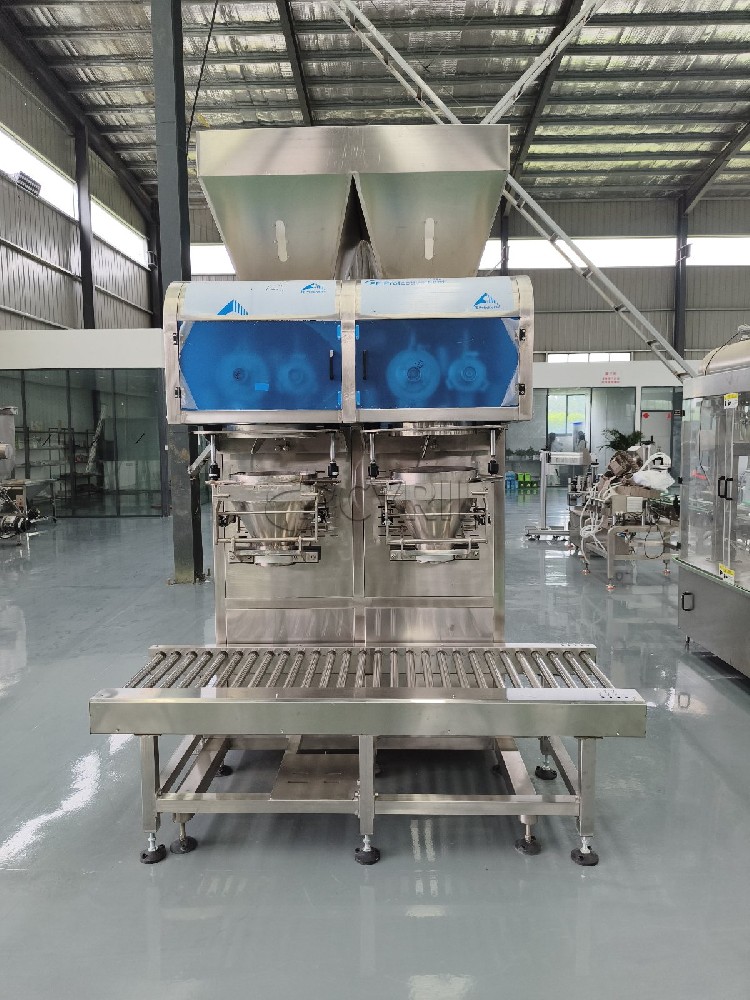
Key Points for Powder Filling Equipment Selection and Application
In the process of upgrading industrial manufacturing capabilities, powder filling machines are key equipment for quantitative packaging of powder materials. Their applications span multiple industries, including food, chemicals, and pharmaceuticals. Equipment selection requires comprehensive consideration of structure, control methods, dust collection configuration, and production capacity.
I. Application Advantages of Auger Filling Machines
Due to their structural characteristics, auger filling machines are suitable for handling powder materials with varying flowability, and are also applicable to pastes or high-viscosity products to a certain extent. The core performance of the equipment is significantly influenced by the auger rotation speed, and filling volume can be adjusted via independent drive systems to meet different product metering requirements. Additionally, the equipment design must comply with CGMP standards to ensure regulatory compliance in pharmaceutical and food applications.
II. Main Machine Types and Structural Configurations
Powder filling machines can be classified into rotary and inline types based on structural configuration. Rotary models feature compact design, stable operation, and low maintenance costs. They support various metering methods (such as volumetric and gravimetric) and can be equipped with extensions such as date coding and auger feeding systems, making them suitable for diverse packaging scenarios including detergents, food, and personal care products. Inline models offer greater flexibility for multi-specification changeovers, making them suitable for small-batch or frequent product-switch operations.
III. Importance of Dust Collection Systems in Powder Filling
Powder filling operations are prone to dust generation, which not only affects the workshop environment but may also pose risks to equipment operation and personnel health. Integrated dust collection systems are an important measure to reduce dust accumulation and ensure equipment stability and safety. Selection should consider parameters such as product inlet size, dust volume, and system static pressure to ensure proper matching with the filling line. Additionally, the fan design within the dust collection system must meet airflow requirements to maintain consistent and stable exhaust performance.
IV. Filling Capacity and Production Configuration
Equipment selection must fully consider production capacity requirements and product diversity. For small-batch production, single-head filling units can meet basic needs; for large-volume continuous production, dual-head or multi-head feeding systems can significantly improve filling efficiency. Some models are equipped with level detection devices that monitor fill status in real time, which is particularly useful for quality inspection in semi-automatic equipment. Modern equipment generally features touchscreen control interfaces for easy parameter setting and operation monitoring.