

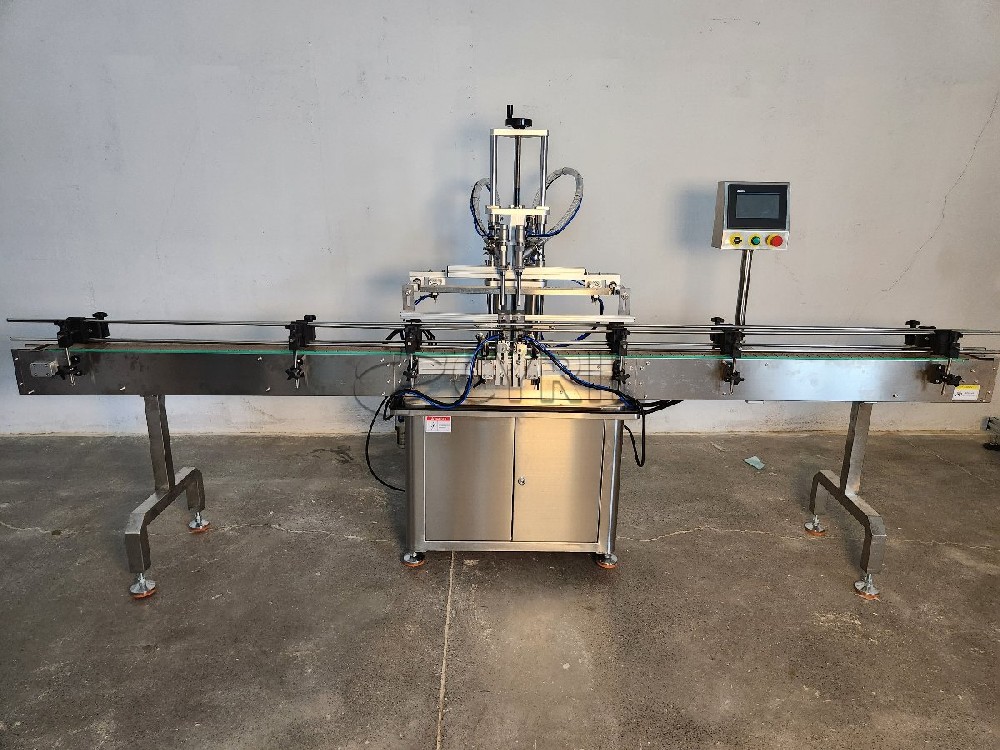
Beverages have long become an indispensable consumer product in daily life. From fruit juices, purified water, and soda water to tea drinks and functional beverages, product categories are increasingly diverse, and packaging formats are becoming more varied. Whether it's portable PET bottles, glass bottles, Tetra Pak cartons, or aluminum cans, every packaging form relies on liquid filling equipment for support.
In recent years, the domestic beverage market has shown active performance with continuously expanding consumption scale. This is partly due to consumption upgrading driven by rising household income levels, and also closely related to beverage companies' strategies of continuously launching new products. As market demand becomes more segmented, beverage categories are gradually expanding from traditional fruit juices, tea drinks, carbonated beverages, and bottled water toward low-sugar, sugar-free, all-natural, dairy-containing, and functional health beverages.
Product diversification inevitably brings differentiated packaging requirements. Materials with different viscosities, foaming characteristics, and heat sensitivities have different requirements for filling temperature, filling speed, container materials, and sealing methods. This trend places higher demands on liquid filling equipment in terms of adaptability, precision, and flexible changeover capabilities.
At the same time, the beverage industry has obvious seasonal characteristics. As spring comes to an end and temperatures gradually rise, beverage consumption will enter its traditional peak season. Increased end-market demand will directly drive equipment utilization and procurement needs upstream. For beverage manufacturers, early preparation of equipment commissioning, maintenance, and capacity planning is an important safeguard for coping with peak order volumes.
As the core equipment of beverage packaging production lines, the operational stability and filling accuracy of liquid filling machines directly affect product market performance. Driven by both consumption upgrading and category expansion, filling equipment with rapid changeover capabilities, precise metering, and stable operation will become an important support for beverage manufacturers to enhance competitiveness.