

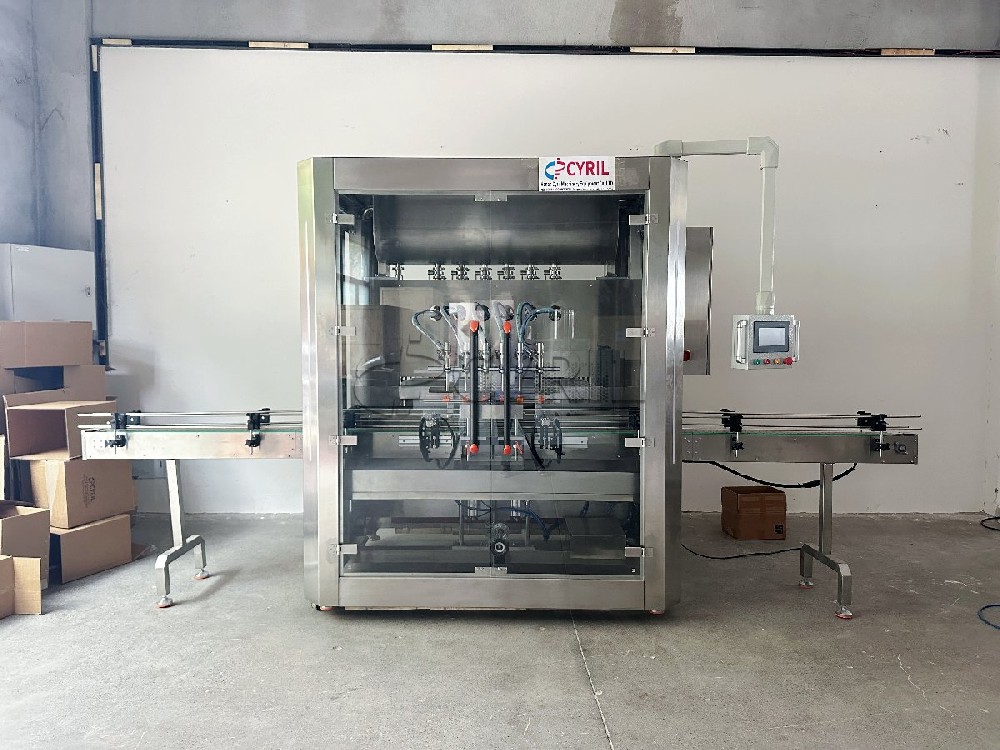
Servo Fully Automatic Paste Filling Machine – Analysis of Factors Affecting Filling Speed
Filling speed is an important indicator of equipment production efficiency. However, in actual operation, speed cannot be increased indefinitely; it is subject to multiple constraints including material characteristics, equipment configuration, and process requirements. The following analyzes the key factors affecting filling speed from seven dimensions, helping operators set operating parameters reasonably to achieve a balance between efficiency and quality.
I. Suction Speed
Suction speed primarily depends on material viscosity. Low-viscosity materials flow easily with low suction resistance, allowing faster feed rates. High-viscosity pastes, on the other hand, have poor flowability, resulting in slower suction speeds. When selecting equipment, the feed piping and pumping system should be matched to the material characteristics.
II. Filling Nozzle Diameter
The inner diameter of the filling nozzle directly determines the material throughput per unit time. Larger diameters allow greater flow rates and faster filling speeds. However, it should be noted that increasing the nozzle diameter may affect filling accuracy, especially for small-volume filling applications where careful consideration is required.
III. Product Foaming Characteristics
High-foaming materials are prone to foaming during high-speed filling, which may lead to inaccurate metering or overflow. For such products, filling speed should be appropriately reduced to ensure smooth liquid level rise and minimize bubble generation.
IV. Lifting Nozzle Speed
After filling is completed, the nozzle must rise above the bottle mouth before the next cycle can begin. Excessively slow lifting speed extends the cycle time and affects overall production rhythm. This parameter can be adjusted via the equipment control system to accommodate different bottle heights and production pacing.
V. Filling Volume Size
Larger filling volumes require longer dispensing times per cycle, naturally resulting in slower overall speed. When setting production capacity, the relationship between single-bottle capacity and target output should be considered.
VI. Filling Accuracy Requirements
Higher accuracy requirements necessitate slower filling at the end of the cycle to reduce the impact of inertia on metering results. Accuracy and speed are inversely related and must be balanced according to actual process requirements.
VII. Conveyor Belt Speed
The conveyor belt speed determines the frequency at which bottles enter and exit the filling area. Higher speeds allow more bottles to be processed per unit time. The conveying speed can be adjusted steplessly via the worm gear reducer or frequency converter, synchronized with the filling action to prevent bottle accumulation or gaps.