

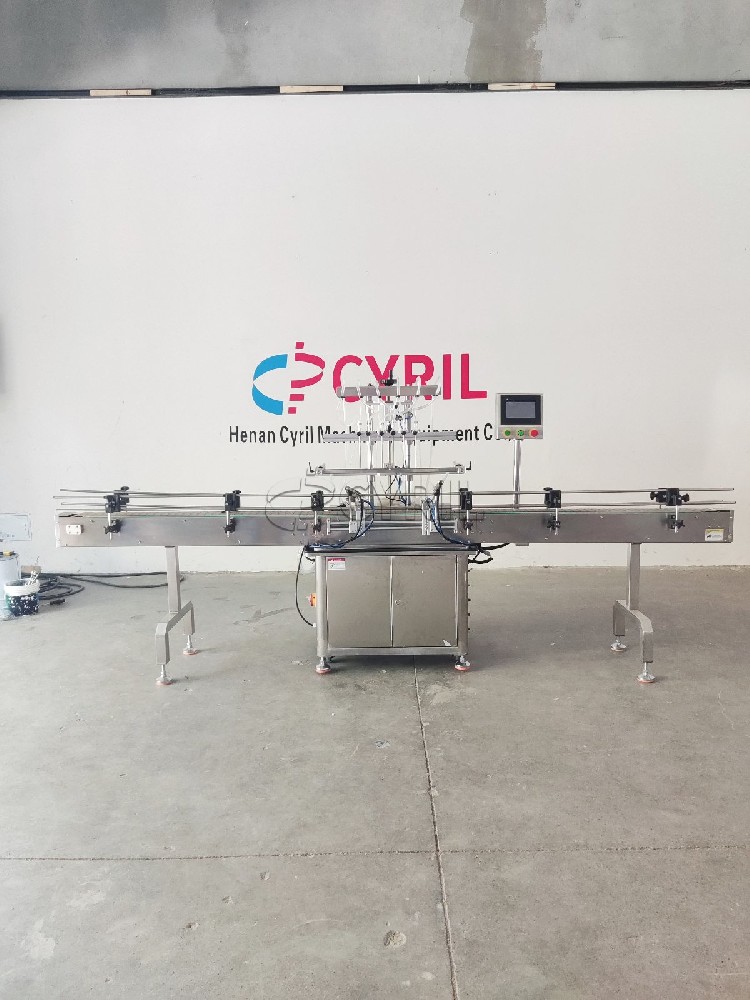
Overview of Practical Training Course for Pharmaceutical Automatic Filling Lines
In pharmaceutical production, aseptic filling operations place extremely high demands on personnel skills, environmental control, and equipment proficiency. This course is specifically designed for pharmaceutical industry practitioners, offering an immersive two-day training program to help participants gain an in-depth understanding of the operational logic and procedures of automatic filling lines in real production environments.
I. Cleanroom Behavior and Environmental Adaptation
On the first day, participants will enter Grade A/B cleanroom areas. Before operating the equipment, the training will focus on cleanroom behavior protocols, including gowning procedures, material transfer, area zoning management, and personnel flow control. Through systematic explanations and hands-on practice of GMP environmental requirements, participants will develop aseptic awareness and standardize their daily operational habits.
II. Hands-On Filling and Equipment Familiarization
Under cleanroom conditions, participants will personally operate the automatic filling line. The process begins with simulation media filling to familiarize them with equipment startup, parameter setting, operation monitoring, and shutdown procedures. This is followed by a second-phase practical session—media fill simulation—which incorporates routine interventions such as sampling, adjustments, and troubleshooting, helping participants master the handling of abnormal situations that may occur in actual production.
III. Visual Inspection and Particle Identification
After filling, participants will take part in the visual inspection of batch samples, referencing standard particle samples to identify visible foreign matter types and sources within vials. Through microscopic observation and case analysis, participants will learn to accurately distinguish the morphological characteristics of different particles, laying a foundation for defect identification in future production.
IV. Environmental Monitoring and Risk Assessment Exercises
Environmental monitoring is integrated throughout the training. Participants are required to conduct sampling for airborne particles, settle plates, and surface microorganisms before and after operations. Through case study discussions, they will complete risk assessment exercises based on typical scenarios such as filling area design, personnel interventions, and equipment maintenance. All monitoring data and filling records will be compiled and fed back at the end of the training to help participants establish a comprehensive understanding of data correlation.
Through this course, participants will receive systematic training covering both theory and practice, effectively enhancing their aseptic filling operational skills and risk management capabilities.