

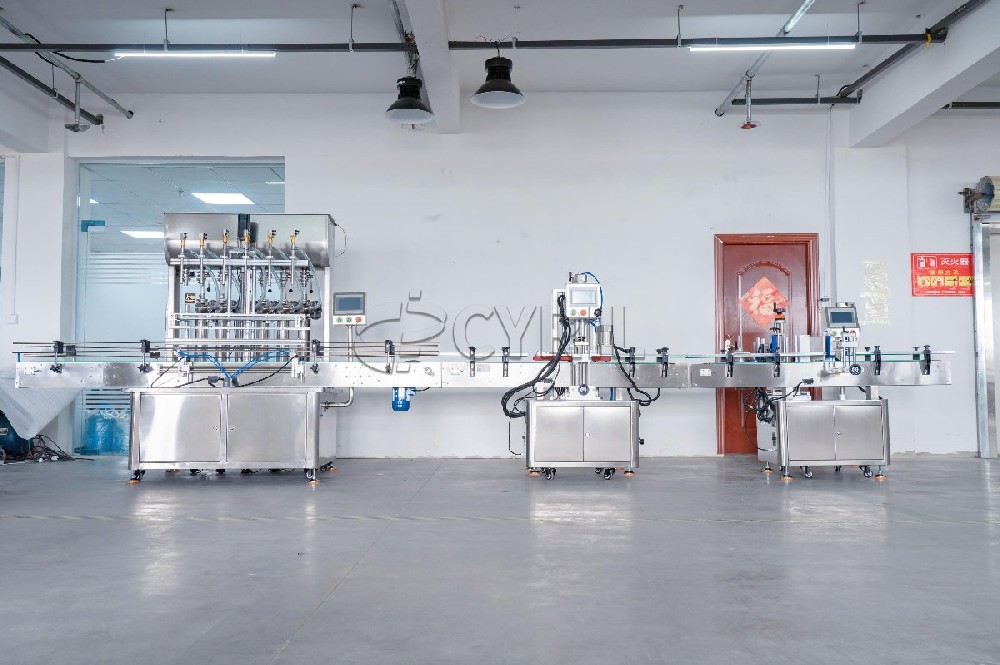
Key Points for Selecting Automatic Filling Machines: Avoiding Common Mistakes and Matching Actual Needs
Due to the distinctive characteristics of edible oil, particularly its significant density variations with temperature fluctuations—differing from water-based beverages and alcoholic drinks—higher precision requirements are imposed on filling measurement. Therefore, when selecting an automatic filling machine, it is not appropriate to simply apply the standards used for general liquid filling equipment. Instead, the following five core factors should be comprehensively considered to ensure that the equipment closely matches production requirements.
I. Technological Advancement: Avoiding the Risk of Rapid Obsolescence
With the fast pace of technological updates, filling equipment is continuously evolving in terms of performance, control systems, and automation levels. If the chosen equipment employs relatively outdated technology, it may fail to meet future upgrade needs or accuracy requirements in a short period. Therefore, priority should be given to equipment featuring mainstream control systems, expandable interfaces, and upgrade potential to maintain competitiveness over a longer lifecycle.
II. Matching Actual Production Needs: Tailored Selection Outweighs "High-Spec" Choices
Different production scenarios require filling equipment of varying specifications, speeds, and automation levels. Before selection, comprehensive evaluation of factors such as material characteristics (e.g., viscosity, aeration, oxidation tendency), production line pace, container types, and operator availability is essential. For large-scale, continuous operations, fully automatic heavy-duty machines are advisable; for smaller output or frequent product changeovers, medium-to-small semi-automatic or flexible models are more appropriate, avoiding resource misallocation.
III. Equipment Performance and Quality: Both Accuracy and Stability Are Indispensable
Filling accuracy directly affects product net content compliance and is a core indicator of equipment quality. Additionally, ease of adjustment, operational intuitiveness, and cleaning/maintenance convenience significantly impact daily usage experience. Prior to purchase, it is recommended to examine the metering system's error range, adjustment mechanisms, and overall stability, and to balance performance against cost to select the most cost-effective solution.
IV. Evaluating Supplier Capability: The R&D and Manufacturing Strength Behind the Brand
Beyond reviewing equipment parameters, the supplier's comprehensive capabilities should also be assessed, including R&D capacity, manufacturing standards, industry experience, and market reputation. Factory visits, technical team discussions, and reviewing past cooperation cases are effective ways to evaluate the supplier's sustainability and quality assurance system. Choosing suppliers with independent design capabilities and continuous innovation ensures better equipment quality and future upgrade support.
V. After-Sales Service Support: A Critical Factor for Long-Term Cooperation
Filling equipment inevitably experiences component wear or occasional faults during long-term operation. Timely and efficient service response is crucial to minimizing downtime losses. When selecting a supplier, attention should be paid to service coverage, response time, spare parts inventory, and technical support capabilities. Suppliers with localized service networks, clear warranty terms, and positive user feedback are preferable to reduce operational risks throughout the equipment lifecycle.