

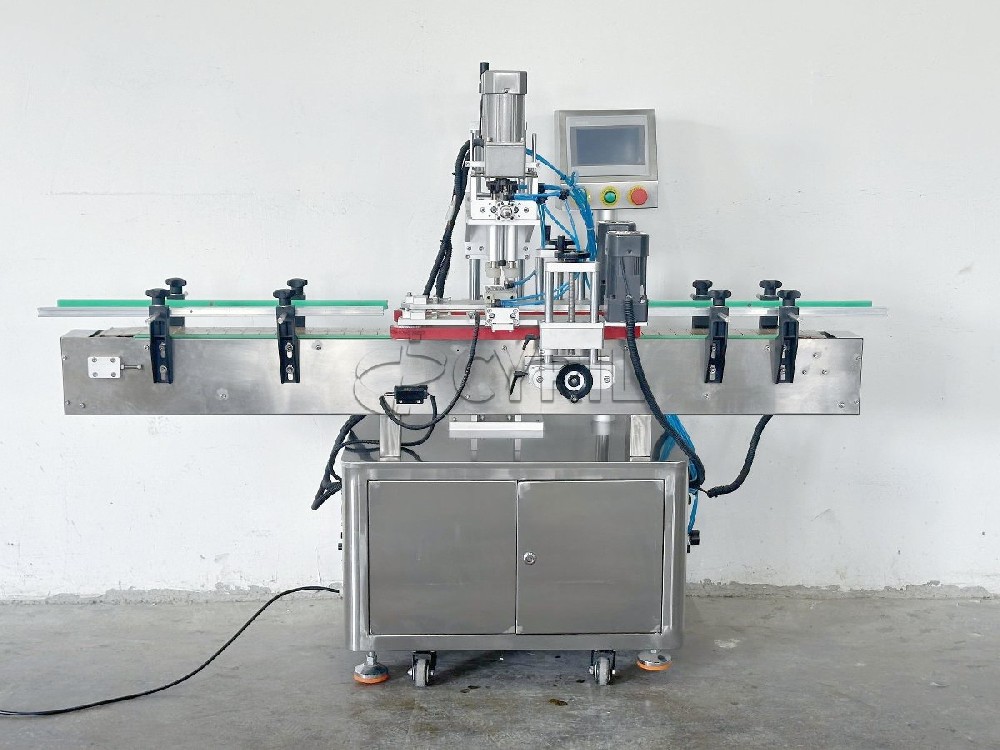
In many specialized fields, quickly opening various types of bottled products is key to improving work efficiency. If the opening speed cannot keep up, it may affect subsequent processes. As professional bottle-opening equipment, capping machines come in a wide variety, including fully automatic and manual models, suitable for large production facilities and personal portable use, respectively.
I. Core Advantages of Capping Machines
1. Simple Operation, Time-Saving and Labor-SavingOne of the main features of capping machines is their ease of operation. Compared to manual twisting, they significantly reduce opening time while preventing hand injuries caused by excessive force. With just a light press or twist, the cap can be easily removed, greatly enhancing user convenience.
2. Safe Materials, Healthy and Environmentally FriendlyHigh-quality capping machines are made from premium materials that are stable, non-toxic, and odorless. They do not release harmful gases during the opening process, ensuring the safety of food, pharmaceutical, and other products. Inferior products may emit unpleasant odors, so material safety should be a key consideration during selection.
3. Wide Range of ApplicationsCapping machines can be widely used in the food and beverage industry for products such as wine and dairy, as well as in the pharmaceutical field. In hospitals and other medical settings, healthcare professionals often carry small capping devices to quickly open medicine bottles, improving the efficiency of surgeries and care procedures.
4. Easy to Learn and OperateBoth automatic and manual capping machines have low operational barriers. Even first-time users can quickly master them with a brief review of the instructions. Their user-friendly design makes the cap-opening process easy and efficient, which is a major reason for their widespread popularity.
II. Price and Adaptability
Capping machines are reasonably priced and highly adaptable to different environments. Whether in food processing workshops, pharmaceutical production lines, or hospital emergency rooms, they can perform stably and reliably.
Conclusion
With their simple operation, safe materials, wide applicability, and high cost-effectiveness, capping machines have become indispensable tools in industries such as food, pharmaceuticals, and daily chemicals. Proper selection of capping equipment not only improves production efficiency but also effectively reduces labor burdens and ensures product safety and hygiene.