

How to Choose the Right Filling-Capping-Labeling Machine for the Pharmaceutical Industry
In the pharmaceutical industry, the filling, capping, and labeling processes directly impact product quality and safety. Selecting a suitable filling-capping-labeling machine is essential for ensuring efficient and compliant production.
I. Understand Basic Functions
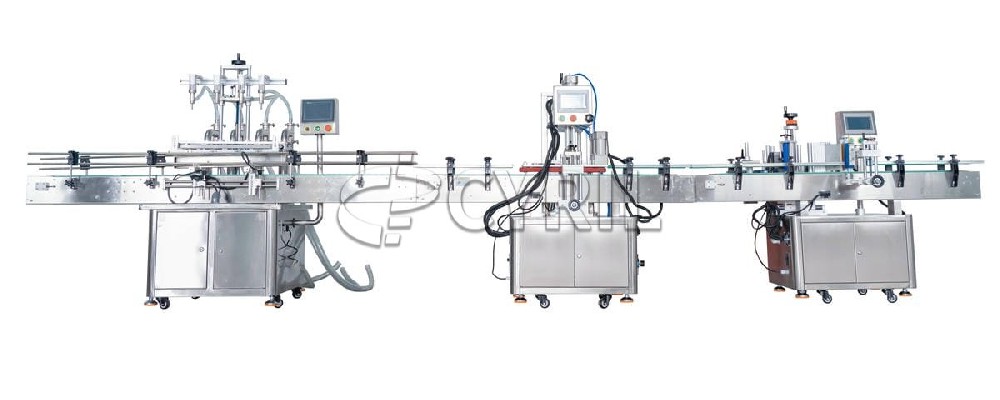
A filling-capping-labeling machine integrates filling, capping, and labeling into one system, significantly improving efficiency and reducing labor costs. Before selection, it is necessary to define product characteristics (liquid, paste, or solid) to determine the required machine type and configuration.
II. Determine Production Capacity
Production scale is a key consideration. The machine should be selected based on daily output requirements. If production volume is high but equipment speed is insufficient, issues such as downtime and queuing will increase operating costs. Therefore, equipment capacity must match actual production needs.
III. Focus on Equipment Flexibility
Pharmaceutical products come in various container sizes and shapes. The equipment should allow quick adjustments to accommodate different bottle types. A flexible adjustment mechanism reduces changeover time and enhances the production line's adaptability.
IV. Ease of Operation and Maintenance
The equipment should be user-friendly and easy for operators to learn. At the same time, machines with simple maintenance and low failure rates minimize downtime, ensure production continuity, and reduce dependence on specialized technicians.
V. Safety and Compliance
The pharmaceutical industry has stringent safety and regulatory requirements. The selected equipment must comply with relevant industry standards and regulations to ensure product quality control and avoid legal risks. Compliant equipment is also the foundation for long-term stable business development.
VI. Cost and Return on Investment
Selection should consider both initial investment and long-term operating costs. Low-priced equipment with frequent breakdowns or high maintenance expenses may not be cost-effective in the long run. Choosing equipment with stable performance and high overall cost-effectiveness maximizes long-term returns.
Conclusion
Selecting a filling-capping-labeling machine for the pharmaceutical industry requires a comprehensive evaluation based on product characteristics, production capacity, flexibility, operation and maintenance, safety compliance, and cost. Only by choosing the right equipment can a production line be equipped with an efficient "engine" to help the company remain competitive in the market.